Broccoli Turning Yellow: Is It Still OK? What It Means
When Broccoli Turns Yellow: The Real Reason This Happens
We've all been there: You reach into the fridge for that vibrant bundle of broccoli, only to find it's begun turning yellow. Frustrating, right? This color change is a common sign of aging, often due to exposure to light and ethylene gas, which can hasten the breakdown of chlorophyll, the green pigment in plants. Understanding these reasons is key to keeping your broccoli fresh and green for longer.
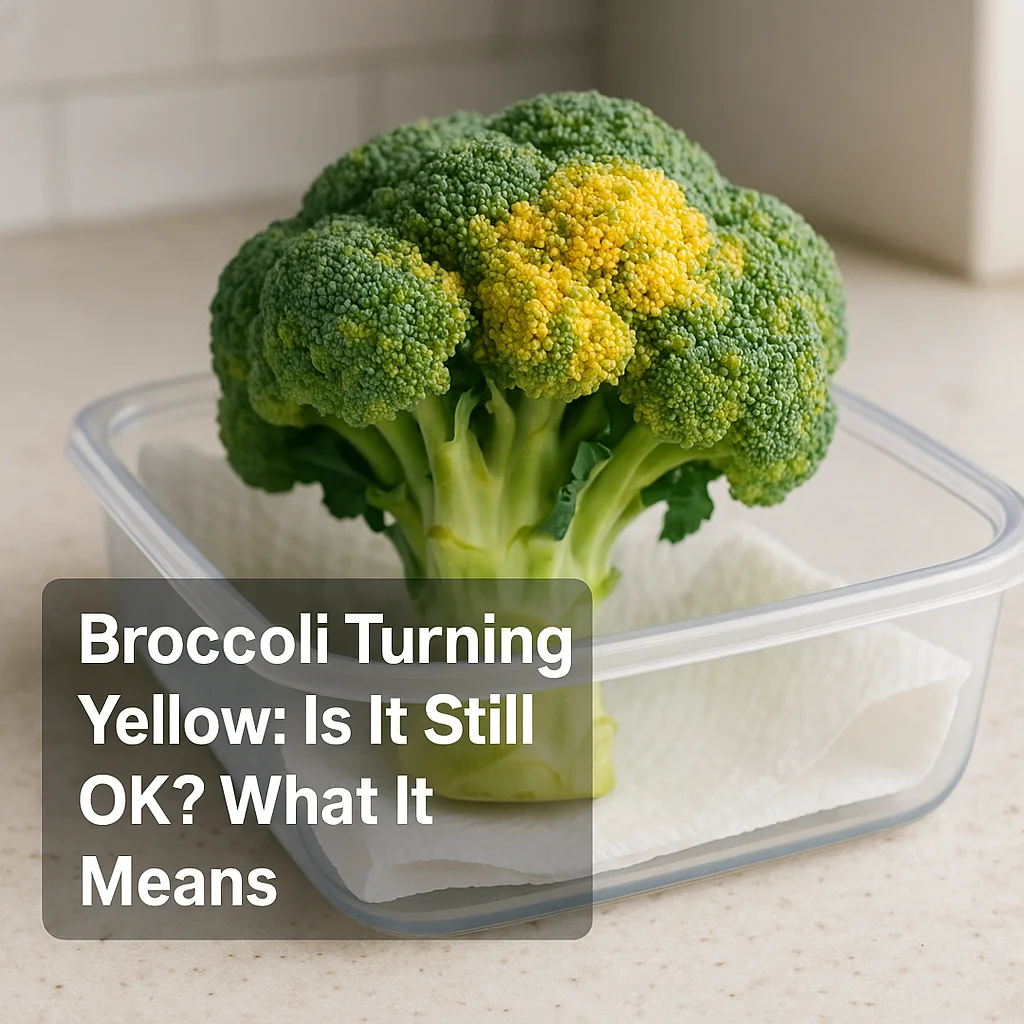
Fast Rules for Keeping Broccoli Fresh
- Store broccoli in the fridge within two hours of purchase.
- Keep it in a vented plastic bag or a breathable container.
- Avoid washing broccoli before storage to reduce moisture exposure.
- Cut off any yellowing florets to slow down further yellowing.
- Place in the crisper drawer to minimize ethylene exposure.
- Avoid storing near ethylene-producing fruits like apples and bananas.
- Check daily for signs of mold or soft spots.
- If slightly yellow, stagger use for immediate cooking rather than raw eating.
Choosing Fresh Broccoli: Buying Checklist
Choosing the freshest broccoli starts at the store. Here's what to look for:
- Bright green florets with no yellowing.
- Firm, dense stalks that aren't woody.
- Compact clusters of buds without signs of flowering.
- Avoid bags with moisture or condensation, which can speed spoilage.
The Real Fix: Step-by-Step Solution for Yellow Broccoli
The goal is to control the moisture and ethylene exposure:
- Inspect: Check the broccoli thoroughly before storing. Look for any existing yellow spots and remove if possible.
- No Washing: Don’t wash the broccoli before storing. Washing adds extra moisture, which can speed up the yellowing.
- Storage Bag: Place the broccoli in a vented plastic bag. Avoid airtight containers to reduce moisture buildup.
- Crisper Drawer: Place the bagged broccoli in the crisper drawer. This drawer regulates humidity better.
- Temperature Check: Ensure the fridge is at or below 40°F. Consistent chill inhibits spoilage processes.
- Away from Ethylene: Keep broccoli in a drawer separate from ethylene-producing fruits. This avoids accelerated ripening.
- Use Quickly: Plan meals to use broccoli within a week of purchase. Extending storage time increases the chance of discoloration.
- Monitor: Check broccoli every other day. Watch for tenderness, yellowness, or a sulfuric smell.
- Cut It Out: If yellowing appears, remove affected florets. This can slow down further color change.
- Cook Over Raw: Use slightly yellow broccoli in cooked dishes first. Cooking can mask the color and slight flavor changes.
- If broccoli is wilting, then it's losing moisture — use right away.
- If a sulfuric smell is present, then it may have started to spoil — discard.
- If it’s limp yet smells fresh, then try reviving in an ice bath.
- If the stem is tough, then peel the outer layer and cook.
- If the broccoli is mostly yellow, then consider making broccoli soup.
- If excessive condensation in the bag is noticed, then dry the inside and return broccoli.
- If mold is detected, then discard to avoid cross-contamination.
- If it seems overripe, then prioritize for cooked meals within 1–2 days.
15–20 Minute Weekly Prep Routine for Broccoli
- Assess: Go through the broccoli bunch to remove any yellow florets.
- Cut and Store: Chop into usable pieces and store in a vented bag.
- Weekly Meal Plan: Plan two dishes featuring broccoli to ensure adequate usage.
- Crisper Drawer Check: Check the settings and contents to maintain freshness.
- Fridge Tidy: Shuffle contents to keep ethylene producers away.
- If I only had 2 minutes: Do a quick yellow check and cut. Store remaining broccoli in a vented bag properly.
If your fridge is weird: If your fridge is too humid, open the bag slightly. If it’s too dry, wrap broccoli in a damp paper towel before bagging. Avoid back walls if they cause freezing.
Common Mistakes and How to Fix Them
Even with the best of intentions, mistakes can happen:
- Storing broccoli with ethylene producers → Quick deterioration → Separate storage areas.
- Washing before storage → Added moisture → Dry before refrigeration.
- Not removing yellow parts → Yellow spreads → Trim frequently.
- Leaving in a produce bag in the bottom drawer → Limits airflow → Use vented bags.
- Using airtight containers → Traps moisture, leading to mold → Switch to vented solutions.
- Neglecting fridge temperature settings → Suboptimal storage → Keep under 40°F.
- Storing for more than a week → Increases spoilage chances → Use within 7 days.
- Unsealed bags → Flavors mingle and broccoli wilts → Seal bags properly.
- Overloading the fridge → Prevents air circulation → Keep a balanced load.
- Ignoring fridge zones → Broccoli freezes or wilts → Use the crisper drawer.
Food Safety Notes: Clean and Discard Tips
Safety comes first when dealing with produce:
- Wash just before use to keep moisture minimal in storage.
- Discard broccoli if it smells off, is mushy, or has mold.
- If unsure about edible portions, it's safer to discard.
- Remember, quality declines as color changes.
Quick Reference Table
| Produce | Best Storage | What to Avoid | Typical Problem | Quick Fix |
|---|---|---|---|---|
| Broccoli | Vented bag in crisper | Near apples/bananas | Yellowing | Trim yellow parts, use fast |
Broccoli FAQs
- Q: Why does broccoli turn yellow?
A: It’s usually due to aging, light exposure, and ethylene gas. - Q: Is yellow broccoli safe to eat?
A: Yes, but it's best used cooked as it may taste bitter. - Q: How can I stop broccoli from yellowing?
A: Store properly in a fridge using a vented bag in the crisper. - Q: What should I do with yellowing broccoli?
A: Cut off yellow parts and use quickly. - Q: Can yellow broccoli make you sick?
A: Generally, no, but discard if it smells bad or is moldy. - Q: How long can I store broccoli?
A: Typically, up to 1 week with proper storage. - Q: Is cooked yellow broccoli okay?
A: Yes, cooking can improve taste and safety. - Q: What's the best way to store broccoli?
A: In a vented bag in the refrigerator's crisper drawer. - Q: Does cutting broccoli prolong freshness?
A: It can help if you remove yellowing parts early. - Q: Can you freeze broccoli to prevent yellowing?
A: Yes, blanch first to maintain color and texture.
Closing Remarks
- Store broccoli properly right after purchase to preserve freshness.
- Remove any yellowing immediately to slow down the process.
- Weekly checks can save time and money by preventing waste.
With these tips, keeping your broccoli fresh and delicious is simple. Happy cooking!
For more helpful fruit and vegetable guides, check out our full list of posts.
Explore tips on comparisons, substitutions, and problem-solving with our high-intent topics.