Lemons Drying Out: How to Store Lemons for Weeks (Slices/Juice/Freezing)
Why Your Lemons Are Drying Out Quickly
Have you ever reached for a lemon only to find it shriveled and dry as a forgotten sponge? You're not alone. This common frustration occurs due to improper storage that speeds up moisture loss and dehydration.
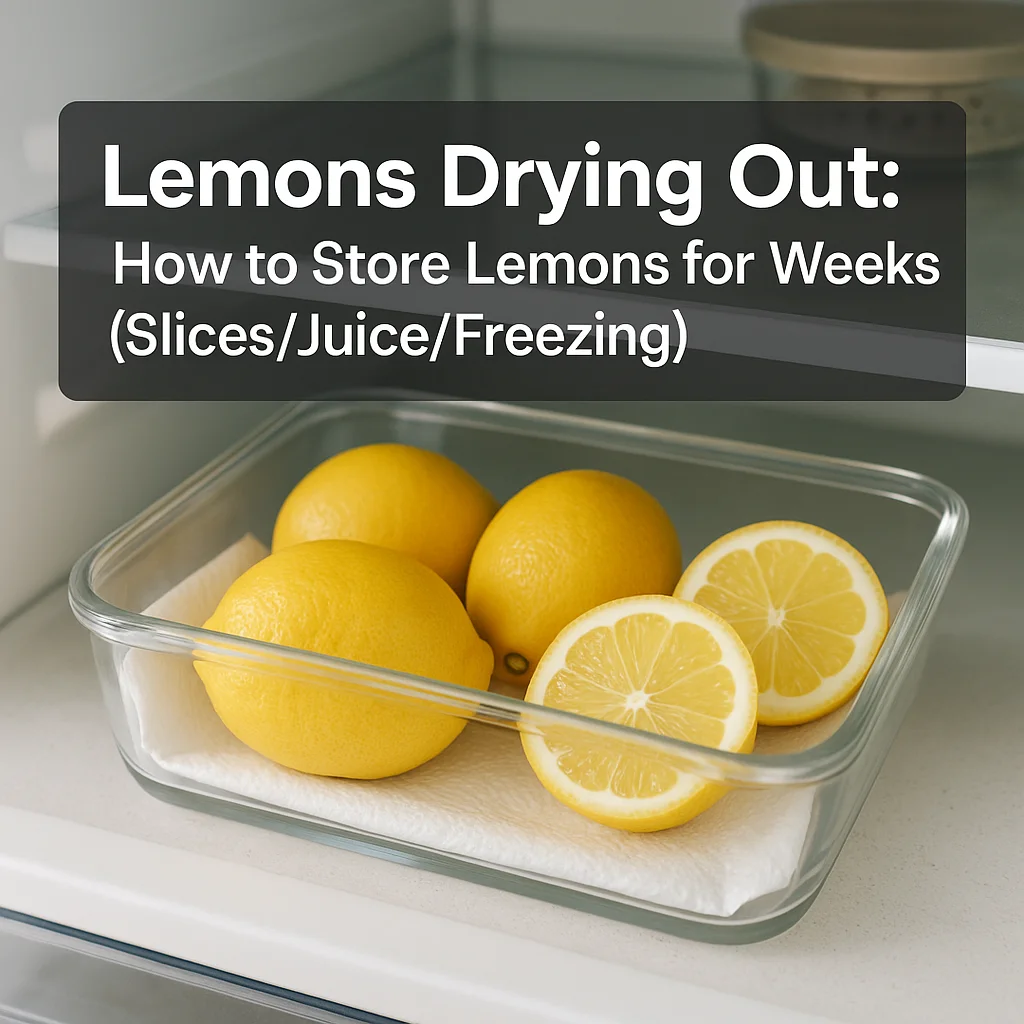
Lemons are particularly prone to drying out if exposed to air over long periods. This happens because their thin skin, when exposed to air, allows moisture to escape quickly. Additionally, temperature swings can cause condensation, leading to texture damage that accelerates drying.
Quick Storage Rules for Lemons
- Keep whole lemons in the fridge, not the counter.
- Store lemons in the crisper drawer for best results.
- Place lemons in a slightly vented plastic bag to maintain moisture.
- For lemon slices, use an airtight container with a damp paper towel.
- Juice lemons and freeze in ice cube trays to extend shelf life.
- Avoid washing until ready to use to prevent mold.
- Inspect regularly for firmness and blemishes—avoid soft spots.
Choosing Perfect Lemons: What to Look For
Proper storage starts with selecting the best lemons at the store.
- Pick lemons that are heavy for their size, indicating juiciness.
- Avoid lemons with blemishes or soft spots as they spoil faster.
- Look for an even, yellow color; green hints suggest underripeness.
- Watch out for dull or wrinkled skin, signs of old age.
Step-by-Step Guide to Extend Lemon Shelf Life
Our goal is to retain lemon freshness by controlling moisture and preventing dehydration.
- Select firm, heavy lemons: A sign of freshness and juiciness. Avoid dryness from the get-go.
- Refrigerate whole lemons: Cold slows down moisture loss and reduces ethylene gas impact.
- Use a vented plastic bag: Helps regulate humidity and reduces direct air exposure.
- Check for firmness regularly: A firm lemon is still good; softness indicates spoilage.
- Store lemon slices: Use an airtight container with a damp paper towel to maintain moisture.
- Juice freezing: Pour freshly squeezed juice into ice cube trays and freeze for future use.
- Avoid temperature swings: Consistent cold storage prevents condensation and structural damage.
- Place in crisper drawer: Keeps humidity in check better than elsewhere in the fridge.
- If moisture appears, wipe dry: Condensation can lead to mold; keep surfaces dry.
- If lemons look shriveled: Increase humidity exposure, place with damp paper towel.
- If slices are hardening: Use more airtight containers or moisten paper towels slightly more.
- If juice is bitter: Freeze immediately after squeezing and use cubes within 6 months.
- If whole lemons mold: Wipe, dry and move to crisper drawer.
- If fridge is too cold: Consider a temperature adjust—fluctuations aren’t lemon-friendly.
- If lemons yellow unevenly: Ripeness stage may be off, check store selection thoroughly next time.
A 15–20 Minute Weekly Prep Routine for Lemons
- Sort through lemons, testing for firmness; discard any with softening.
- Juice older lemons and freeze to prevent waste.
- Check stored slices for drying, replacing paper towels as needed.
- Adjust refrigerator settings to maintain constant coolness.
- Organize crisper drawer to leave space for airflow.
If I only had 2 minutes
In a rush? Prioritize these steps:
- Quickly squeeze and freeze older lemons.
- Rehydrate slices with a new damp paper towel.
Note: If your fridge is weirdly damp or overly dry, consult your fridge manual for humidity control options or use separate containers to better manage moisture for lemons.
Common Mistakes and How to Fix Them
- Leaving lemons on the counter: Leads to dryness quickly. Always refrigerate.
- Storing with apples: Ethylene accelerates ripening. Use separate containers.
- Washing too soon: Encourages mold. Wash right before use.
- Ignoring soft spots: Lemons go bad faster. Inspect and rotate weekly.
- Overpacking the fridge: Limits airflow, causing uneven cooling. Give lemons space.
- Not checking for temperature drops: Consistency is key. Adjust climate settings if needed.
- Forgetting paper towel replacements: Dry paper towels won't prevent slice dehydration.
- Skipping weekly check-ins: Accumulates unnoticed spoilage, leading to waste.
Food Safety Notes: When to Wash and Toss Lemons
For food safety, always wash lemons under cool water just before using to remove dirt and potential pesticide residues. Don’t store wet, as this promotes mold. Toss lemons if they become mushy or develop off smells, which are indicators they're past their prime.
Quick Reference Table for Lemon Storage
| Produce | Best Storage | What to Avoid | Typical Problem | Quick Fix |
|---|---|---|---|---|
| Whole Lemons | Fridge, in crisper drawer | Air exposure | Drying out | Use vented bag |
| Lemon Slices | Airtight container with damp towel | Dry storage | Hardening slices | Change paper towel |
| Lemon Juice | Freezer in ice trays | Open containers | Flavor loss | Freeze immediately |
FAQ
- How long do whole lemons last in the fridge? Stored properly, they typically last 3-4 weeks.
- How should I store lemon juice? Freeze fresh-squeezed juice in measured amounts using ice cube trays.
- Can lemon peels be stored and reused? Yes, store them dried or freeze zest for later use.
- What's the fastest way to dry up lemons? Expose them to air and warmth, though not recommended for storage.
- Can I store lemons in the pantry in winter? Not ideal. Consistent coolness is needed to prevent drying.
- Does freezing affect lemon taste? Properly frozen, the taste remains intact but it may lose some texture once thawed.
- Is it okay to store lemons with other fruits? Generally, no, as ethylene-emitting fruits speed up lemon aging.
- Are there alternative uses for overripe lemons? Sure, use them for cleaning or zest when mold-free.
Closing Thoughts
- Keep lemons away from other fruits to control ripening.
- Store in the fridge to maintain freshness.
- Optimize weekly check-ins to minimize waste.
With these steps, you'll not only keep your lemons fresher longer but also find yourself wasting less produce. Your wallet and taste buds will thank you!
Looking to solve more produce storage mysteries? Check out our full guide list or explore more topics here.