How to Choose a Melon: Aroma, Netting, and Stem-End Clues
Frustrating Waste: Why Your Melon Disappoints
We've all been there—eagerly anticipating a juicy melon only to slice into it and find it's bland or, worse, mushy. The truth is that choosing the perfect melon can be tricky if you're not sure what to look for. Often, disappointing melons are the result of choosing one that isn't optimally ripe or was stored improperly. Let’s dig into how you can avoid this frustration.
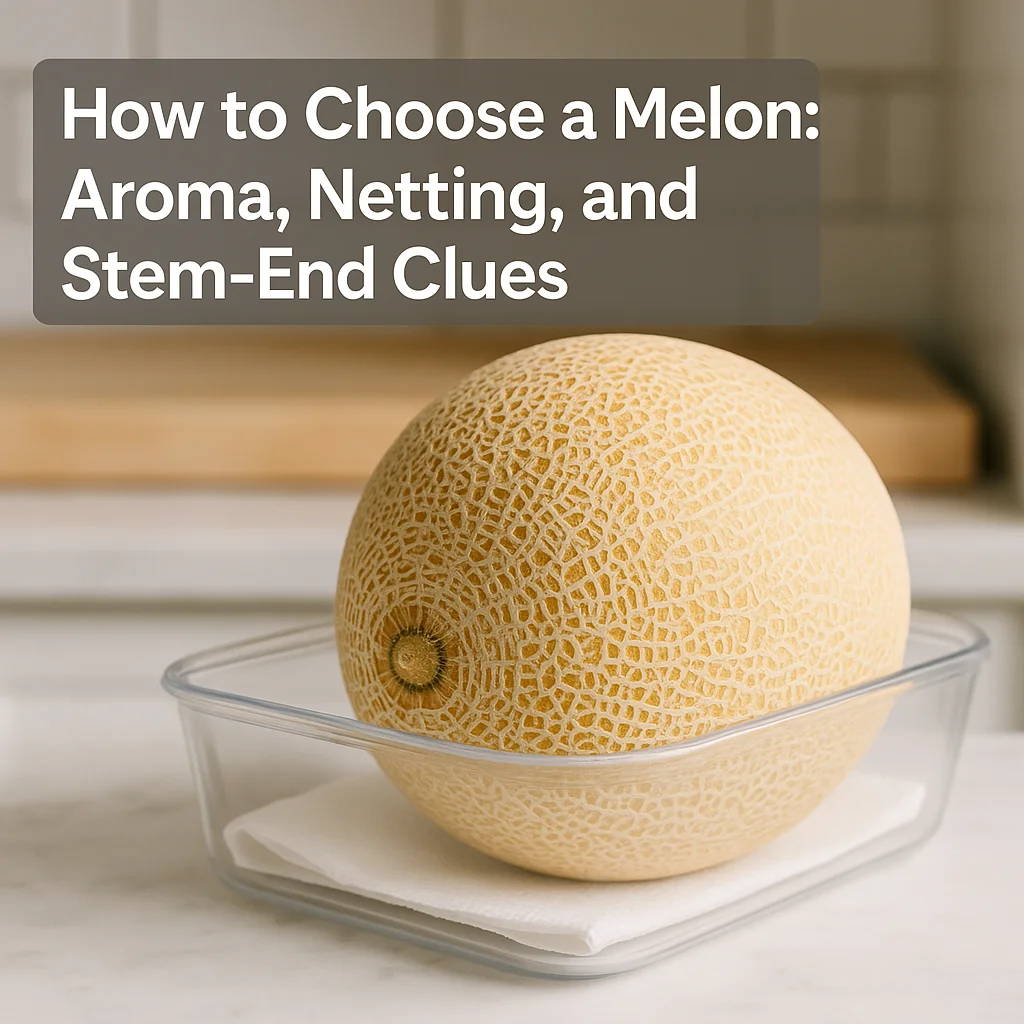
Fast Rules for Choosing Melons
- Go for melons that emit a sweet fragrance.
- Check for prominent netting, which often indicates mature fruit.
- Avoid melons with too much give at the stem-end.
- Pick ones that are heavy for their size—they've got more juice!
- Skip melons with soft spots or visible signs of spoilage.
- Look for uniform coloring without blemishes.
- If possible, avoid melons stored in direct sunlight at the store.
- Choose unblemished, firm stems for longer shelf life.
- Trust your nose! A pleasant aroma is usually a good sign.
Buying Checklist: What to Choose and What to Avoid
When you're at the store ready to pick out a melon, having a checklist can help streamline your selection:
- Good Choices: Melons with a sweet aroma, heavy weight, even netting, and firm, slightly yielding ends.
- Avoid: Melons with discoloration, soft spots, bruises, or lack of fragrance.
The Real Fix: Step-by-Step Solution
To select and store melons perfectly, the goal is to ensure optimal ripeness and extend freshness. Here's how:
- Selection: Smell the melon before buying. A sweet aroma usually indicates ripeness, as enzymes have started developing the sugars.
- Check Netting: Look for netted skin, which signifies maturity. Well-formed netting suggests the fruit developed properly outdoors.
- Squeeze Test: Gently press the stem-end. It should be firm with a slight give. Too much softness may mean overripe fruit.
- Weight: Lift the melon. Heavier melons contain more water, which holds sweetness and crunch.
- Color Uniformity: Choose melons with uniform colors—the skin's even shade indicates balanced ripening.
- Initial Storage: Store whole melons at room temperature to continue ripening, away from direct sun to avoid texture damage.
- Refrigeration: Once ripe, place in the fridge using the crisper drawer to slow further ripening with cool, consistent temperatures.
- Container Selection: If cut, use airtight containers to prevent moisture loss and flavor absorption from other foods.
- Paper Towel for Moisture Control: A paper towel in the container absorbs excess moisture, reducing condensation and spoilage.
- Check Regularly: Inspect daily for condensation or softness. Early signs may indicate spoilage on the way.
- Adjust Placement: Keep away from high-ethylene producers like apples or bananas to avoid over-ripening
- If the melon feels too soft, try refrigerating it sooner to slow spoilage.
- If there's no aroma, it's likely under-ripe. Keep it out at room temperature.
- If it's too firm, be patient if it's a type that can ripen further.
- If it has mold, sadly, it's time to toss it.
- If the fridge is humid, use a paper towel to help dry the environment within the container.
- If the fridge is dry, ensure the lid is sealed well.
- If it smells off, avoid eating to reduce foodborne risks.
15–20 Minute Weekly Prep Routine
- Initial Cleaning: Wash the outer rind under cold water to remove any residues.
- Dry Thoroughly: Pat with a clean towel to avoid slipping and potential moisture inside the fridge.
- Position & Check: Place in your fruit or vegetable bin, rotating weekly to ensure consistent airflow.
- Weekly Routine: Inspect for any soft spots or signs of over-ripeness. Adjust placement if necessary.
- Cut Preparation: If slicing, prepare only what you’ll eat soon to retain freshness.
- Container Organization: Use transparent containers for easy viewing and accessibility.
- Double-check Fridge Adjustments: Ensure temperatures are consistent for fruit storage.
If I only had 2 minutes
- Sniff the stem-end for a sweet aroma.
- Quickly assess the weight—it should feel heavy.
- Inspect the netting and color quickly.
If your fridge is weird: Adjust settings if it's too dry by sealing containers tightly, and watch out for the freezing back wall by keeping produce away from that area.
Common Mistakes to Avoid
- Ignoring Netted Skin: Leads to less flavorful fruit—netting shows ripeness.
- Overreliance on Softness: Can select overripe melons—balance feel with fragrance.
- Skipping Sniff Test: Can miss essential aroma clues—always sniff for sweetness.
- Storing in Sunlight: Causes quicker spoilage—store in cool environments.
- Refrigerating Before Ripe: Can reduce sweetness—let ripen at room temperature first.
- Keeping Near Apples or Bananas: Accelerates spoilage—keep them separate.
- Storing in Humid Fridge: Promotes mold growth—use ventilated areas.
- Failure to Dry After Washing: Encourages mold—always pat dry.
- Continual Fridge Opening: Causes temperature swings—plan ahead when slicing.
Food Safety Notes
Always wash the outer skin of the melon under cold water before cutting to avoid transferring dirt or bacteria from rind to flesh. If any part of the fruit appears moldy or slimy, discard the melon to prevent foodborne illness.
Quick Table for Melon Storage and Selection
| Produce | Best Storage | What to Avoid | Typical Problem | Quick Fix |
|---|---|---|---|---|
| Melon | Crisper drawer after ripening | Exposure to ethylene-producers | Mushy texture | Store separately |
FAQ on Choosing Melons
- Q: What should I smell for before buying? A sweet, pleasant odor.
- Q: How heavy should a good melon be? Heavier than it looks—indicates juiciness.
- Q: What does excessive softness on the surface mean? Possibly overripen or nearing spoilage.
- Q: Should I worry about small blemishes? Only large or multiple ones—can indicate poor handling.
- Q: What's the preferred color for netting? A consistent tan or golden hue.
- Q: Does every melon have a netted surface? No, varies by type (e.g., cantaloupes do).
- Q: How long can ripe melons be stored? Ideally, a few days in the fridge.
- Q: Is a cracked stem-end bad? Can be, often means the fruit was overripe when harvested.
- Q: What's the best time to buy melons? Late summer for peak ripeness and flavor.
Closing Thoughts on Saving Money with Melons
- Always trust smell and weight over appearance alone.
- Store melons properly in the right fridge setting post-ripening.
- Use airtight storage and avoid ethylene exposure for longevity.
With these tips, you'll find yourself enjoying melons that are fresher, tastier, and longer-lasting, saving both money and reducing waste. For more produce tips, check our full guide list or our detailed buying checklist and prep guide here.