How to Wash Cucumbers & Bell Peppers: Surface Residue Tips
Hook: The Real Reason Cucumbers and Bell Peppers Go Bad Quickly
Does your produce spoil too quickly even when you think you've stored it right? That extra sogginess and mold can often stem from surface residues left from improper washing. A simple wash technique can prevent this all-too-common frustration.
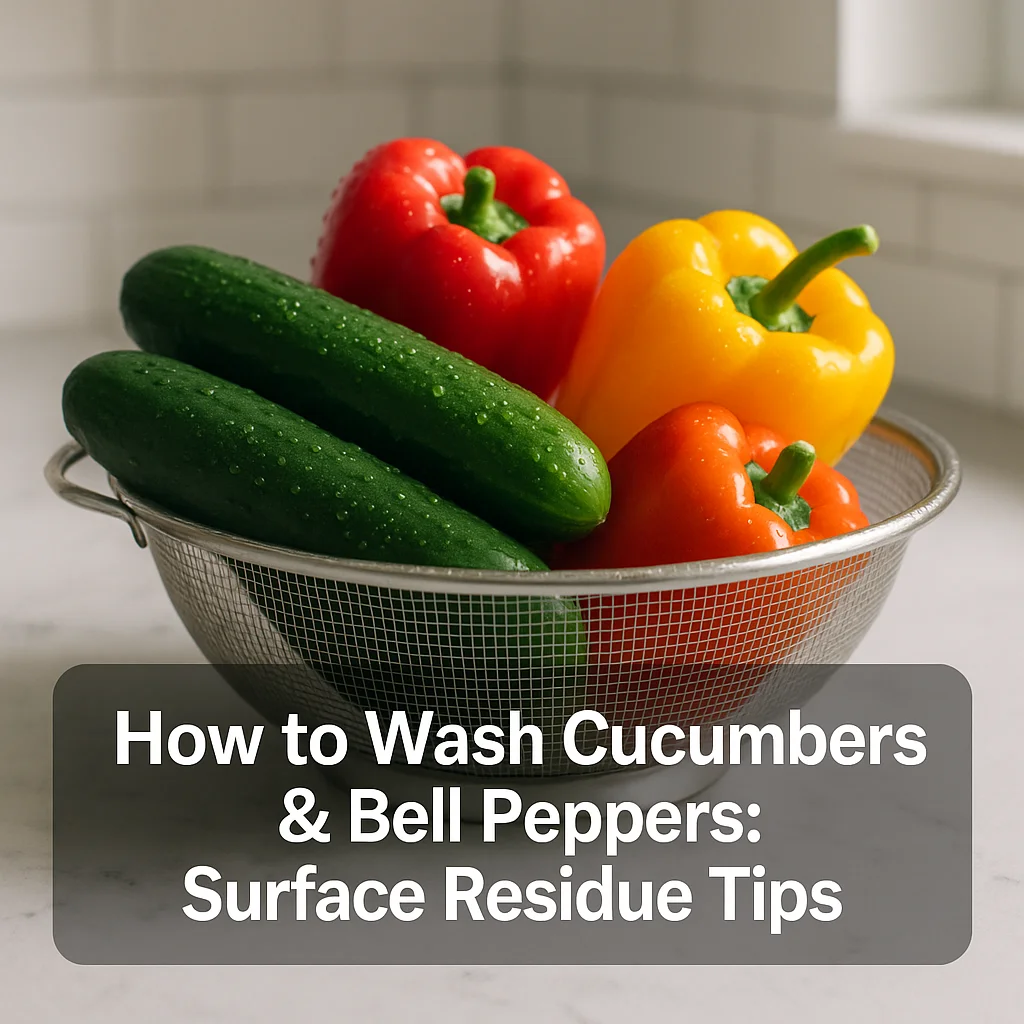
Fast Rules for Perfectly Clean Cucumbers and Bell Peppers
- Always wash produce just before using.
- Use cold water to rinse off visible dirt.
- Gently scrub with a soft brush for stubborn residues.
- Dry thoroughly with paper towels before storing.
- Avoid soaking to prevent nutrient loss and water absorption.
- Inspect for signs of damage during washing.
- Store in the fridge to extend freshness.
- Keep cucumbers and bell peppers separate to avoid ethylene-induced spoilage.
- Check fruits often for condensation and dryness.
- Use containers that breathe, not airtight ones.
Buying Checklist: Choosing the Best Produce
Selecting the right produce at the store is the first step to longer-lasting freshness.
- Select firm cucumbers and bell peppers: They should have no soft spots or shriveling.
- Avoid blemished skin: Cuts and spots can lead to spoilage.
- Even color tone: Indicates consistent ripeness.
- No unusual odors: Indicates freshness.
- Buy what you can consume within a week: Ensures you minimize waste.
The Real Fix: Step-by-Step Solution
The goal here is to remove residue effectively and store smartly to keep them fresh.
- Rinse under cold running water: This helps to remove loose dirt without spreading it.
- Use a soft brush: Gently scrub the surface to get rid of stubborn residues. Look for a change from dull to shiny.
- Inspect for damage: Ensure there are no cuts where residues can hide. If found, trim affected areas.
- Dry thoroughly: Use paper towels to absorb excess moisture—key to preventing mold.
- Separate cucumbers and peppers: Store them in different drawers to avoid ethylene cross-contamination.
- Use breathable bags: Ventilated bags prevent condensation without drying them out too much.
- Place in the crisper drawer: This area has humidity control ideal for cucumbers and bell peppers.
- Monitor often: Check every 3-4 days for signs of moisture or dryness and adjust your storage method.
- Handle gently during storage: Avoid piling them, which can bruise and accelerate spoilage.
- Investigate refrigerator settings: Ensure it's between 35-40°F for optimal freshness.
- If mold appears, remove the affected area promptly: This prevents it from spreading further.
If/Then troubleshooting:
- If condensation builds up, wipe with a paper towel and ensure ventilation.
- If the fridge is too dry, loosely fold produce within paper towels to maintain moisture.
- If you find shriveling cucumbers, move them to a more humid spot.
- If bell peppers soften, use them immediately in cooking to avoid waste.
- If your cucumbers taste bitter, they may be overripe—use in a soup or stew.
- If peppers smell sweetly pungent, they're ripening—consider using them in stir-fries.
15–20 Minute Weekly Prep Routine
- Gather all you have: Lay out cucumbers and peppers on your kitchen counter.
- Quick inspect: Discard or use any items with visible spoilage right away.
- Rinse thoroughly: Under running water, scrub each piece with a soft brush.
- Dry completely: Use a clean towel or paper towels to dry each piece.
- Store strategically: Place in the designated crisper drawer in breathable bags.
- Schedule a check-in: Mark your calendar to review them mid-week to catch any early spoilage.
If I only had 2 minutes
- Inspect for immediate spoilage and discard if necessary.
- Rinse quickly and dry with a towel.
- Place in the crisper drawer promptly.
If your fridge is weird: If it's too humid, use paper towel linings; if it's too dry, use more ventilated bags; if items freeze when touching the back, adjust the temperature slightly higher.
Common Mistakes to Avoid
- Washing too soon → Speeds up spoilage → Wash just before use.
- Storing wet → Promotes mold → Always dry thoroughly.
- Not handling gently → Bruised spots → Carefully lay in storage.
- Using airtight containers → Traps ethylene gas → Opt for breathable storage.
- Storing together → Cross-speeding ripening → Keep separately in fridge.
- Keeping in plastic wrap → Holds moisture → Use perforated bags instead.
- Not checking often → Mold surprises → Regularly inspect for freshness.
- Ignoring fridge humidity settings → Might dry out produce → Adjust for moderate humidity.
- Forgetting to rotate stock → Older ones spoil → Use first in, first out method.
- Leaving at room temperature too long → Premature spoilage → Store at 35-40°F.
Food Safety Notes
- Always wash just before you're ready to use the produce.
- Discard if there's an off smell or appearance of mold anywhere.
- Be conservative with the “slight change” guideline—it's better safe than sorry when in doubt.
Quick Table
| Produce | Best storage | What to avoid | Typical problem | Quick fix |
|---|---|---|---|---|
| Cucumbers | Crisper drawer, vented bag | Airtight containers | Soggy skin | Dry thoroughly, vent storage |
| Bell Peppers | Crisper drawer, separate | Not checking regularly | Softened texture | Inspect, use or cook rapidly |
FAQ
- Do I need to use detergent to wash cucumbers and peppers? No, regular water and a soft brush are sufficient.
- Can I store them together? It's best to keep them separate to prevent ripening from ethylene gas.
- What should I do if I see mold? Remove mouldy areas immediately to prevent it from spreading.
- Why is drying after washing so important? Drying prevents mold from developing on moist surfaces.
- Are organic cucumbers and peppers safer unwashed? They still need thorough washing to remove natural residues.
- Should I peel cucumbers and peppers? Only if their surfaces seem compromised; the skin contains nutrients.
- How often should I check them in the fridge? Every 2-3 days to catch early signs of spoilage.
- If a cucumber or pepper becomes limp, can it still be eaten? Yes, but use promptly in cooking where texture doesn't matter as much.
- Is discoloration a sign to toss bell peppers? If it's surface-only, cut away the bad parts; otherwise, consider discarding.
- When are cucumbers and peppers overripe? When they change significantly in smell or become extensively bruised.
Closing Thoughts
- Always wash before use to prevent residue issues.
- Store smartly with the right combination of coolness and dryness.
- Regularly inspect to stretch out freshness as long as possible.
Remember: the simpler the routine, the more consistently you'll do it. For more tips, visit our complete guide page and check out our detailed buying and washing checklists. Keep these tips in mind, and you'll enjoy fresher cucumbers and bell peppers with less waste!