Fruit and Blood Sugar: How to Eat Fruit More Steadily (Pairing Tips)
Why Your Fruit May Sabotage Your Snack Moment
You reach for an apple but are hungry again soon after. The frustration of feeling unsatisfied stems from not pairing fruit wisely to prolong its energizing effects.
Fast Rules for Steady Energy from Fruit
- Pair fruit with protein, like nuts or yogurt.
- Include high-fiber fruits like berries to slow sugar absorption.
- Add unsweetened nut butter for balancing healthy fats.
- Choose whole fruits over juices to preserve fiber.
- Use lemon juice to maintain fruit freshness and flavor.
- Chill and combine fruits to protect against rapid spoilage.
- Snack with a small portion size for blood sugar balance.
- Eat fruit with a meal instead of alone for better satiety.
- Use spices like cinnamon to amplify sweetness naturally.
- Consume more when fully ripe for optimal flavor and nutrient density.
Buying Checklist: How to Choose and What to Avoid
- Look for vibrant colors and firmness appropriate for fruit type.
- Avoid bruised, overly soft or discolored produce.
- Smell fruit for a fragrant aroma indicating ripeness.
- Select in-season fruits for better quality and taste.
- Sidestep overly large fruits as they might be overripe or watery.
The Real Fix: Step-by-Step Solution
To maintain steady blood sugar, balance fruit with complementary foods.
- Go for low-GI fruits: Opt for berries, apples, and pears because they trigger a slower rise in blood sugar, allowing longer-lasting energy.
- Add protein and fiber: Mix fruits with nuts or seeds; the protein and fat slow sugar absorption. Look for fullness and sustained energy.
- Use natural fats: Spread a thin layer of nut butter on apple slices. It adds satisfying creaminess and prolongs digestion, stabilizing energy levels.
- Eat with dairy or alternatives: Pair sliced fruit with a serving of Greek yogurt to take advantage of its protein content. Notice less mid-morning hunger pangs.
- Visual portion control: Aim for a fist-size serving of fruit. It's easy to enjoy more without overwhelming your system.
- Combine with whole grains: Add fruit to oatmeal or whole-grain cereal for fiber and nutrient balance. Feel fullness increase with each bite.
- Consider timing: Enjoy fruit as part of your lunch, not as a lone snack. This way, the meal's protein and complex carbs help regulate sugar release.
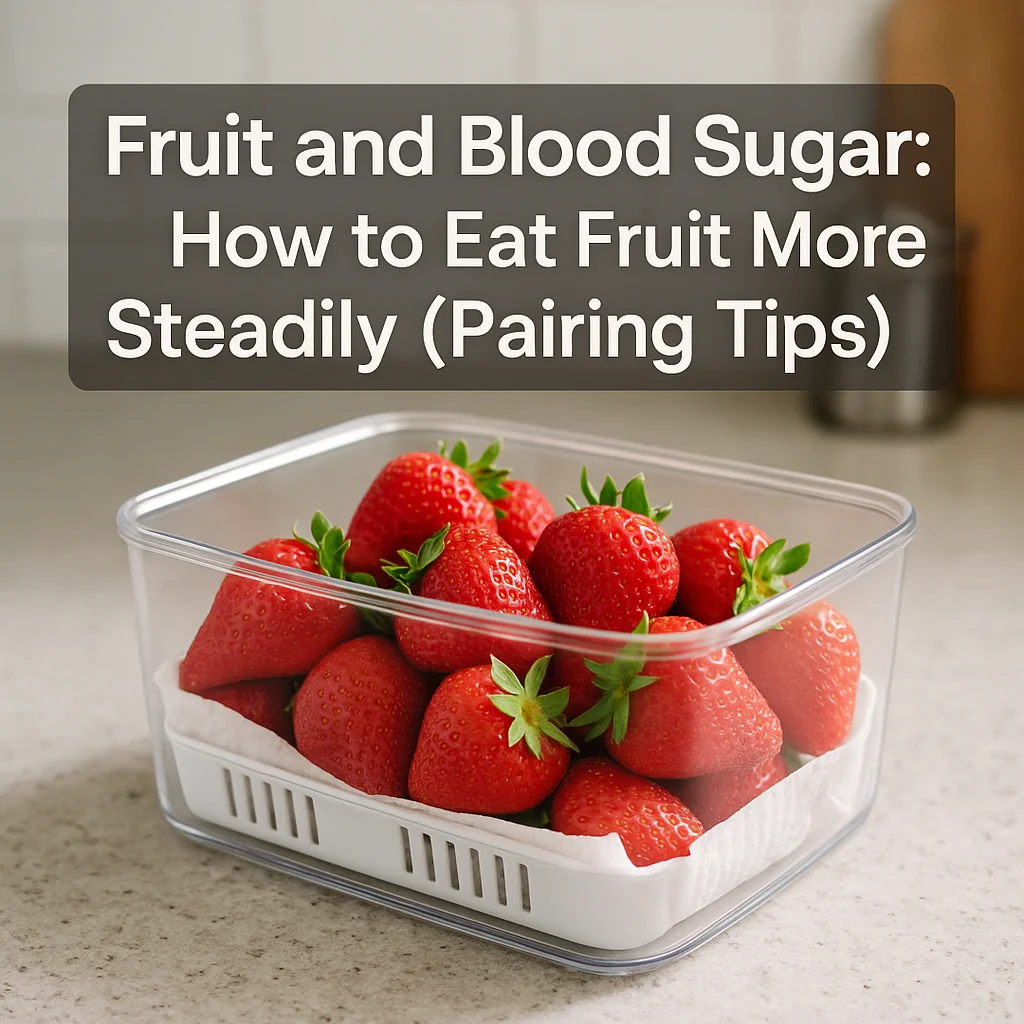
- Storage tips: Keep cut fruits in airtight containers with a paper towel to minimize condensation and slime. Store whole fruits in a vented drawer for freshness.
- Include spices: Lightly sprinkle cinnamon on fruit to enhance flavor without extra sugar; this can help make fruit consumption more enjoyable.
- Hydration balance: Drink water with fruit snacks to aid digestion and maintain hydration, support a steady metabolism.
- Lemon juice rinse: Use a spritz of lemon on fruits prone to browning (like apples) to reduce enzymatic action and oxidation, thus preserving color.
- Watch ripeness: From firm to soft, ripe fruit tastes sweeter due to enzyme action. Adjust pairings to match increased natural sugar.
- Aim for variation: Mix different fruits for a spread of vitamins and minerals each with unique digestion paces.
- If fruits are brown-spotted → they're overripe → use in smoothies.
- If cut fruit turns slimy → not stored airtight → rinse and dry again.
- If taste is too tart → try riper pairs → balance with sweeter fruit.
- If too sweet alone → add nuts → neutralize sugar spurt.
- If skin is wrinkling → dehydration setting in → eat soon or refrigerate.
- If meal lacks texture → include crunchy fruits → improves mouthfeel.
- If juice accumulates → could be squished → pat dry and separate layers.
- If consistency changes → naturally aging → consume sooner for optimal taste.
15–20 Minute Weekly Prep Routine
- Wash fruits: Rinse all fruits thoroughly to remove residues.
- Dry them off: Pat with paper towels to reduce moisture and prevent mold.
- Pre-cut portion: Slice large fruits, save time later, and store them in airtight containers.
- Plan pairings: Pre-pack small servings with nuts or yogurt for balanced snacks.
- Label it: Mark containers with dates to keep track of freshness.
- Strategic fridge placement: Put softer fruits in drawers to prevent ethylene accumulation and cold zones.
If I only had 2 minutes: Grab and rinse a small apple; pair with a handful of almonds. Love simplicity? Slice it and sprinkle cinnamon. Want variety? Alternate with a cheese slice.
If your fridge is weird: For a fridge that's too dry, place an open container of water inside. For excess humidity or freezing risks, consider adjusting the fridge vent settings or rearranging items to ensure even air circulation.
Common Mistakes to Avoid
- Ignoring ripeness signals → disappointing taste → check firmness and aroma.
- Lack of planning in pairings → inconsistent energy → set up grab-and-go combos.
- Overloading fruit portions → sugar spikes → manage quantity visually.
- Neglecting fruit type variation → nutrient monotony → embrace diversity in choice.
- Storing in the warmest spots → speed spoilage → use lower fridge shelves or drawers.
- Skipping protective layers → moisture loss → modest paper towel lining helps.
- Procrastination on eating → fruits spoilage → promote them to snack priority.
- Over-relying on juices → fiber loss → favor whole fruits.
- Forgetting about ethylene → hastened ripeness → space items apart correctly.
- Letting fruit dry out → wrinkling issues → airtight or vented storage depending on type.
Food Safety Notes
- Wash fruit right before eating to minimize contamination risks.
- Remove all fruit with mold; do not attempt to salvage moldy parts.
- Discard fruits that smell fermented or appear mushy.
Quick Table
| Produce | Best storage | What to avoid | Typical problem | Quick fix |
|---|---|---|---|---|
| Berries | Fridge, vented | Excess moisture | Mold | Layer with paper towels |
| Apples | Fridge drawer | Ethylene exposure | Soft spots | Keep separate from other fruits |
| Bananas | Counter until ripe | Fridge (while green) | Greying skin | Refrigerate when yellow to extend shelf life |
| Citrus | Room temperature | Direct sunlight | Dehydration | Store in the pantry |
| Grapes | Fridge, airtight | Excessive handling | Squishing | Store in shallow layers |
FAQ
- Can fruit affect my blood sugar? Yes, fruits can raise blood sugar but pairing them with protein or fat helps moderate this.
- What fruits help keep blood sugar steady? Low-GI fruits like berries, apples, and pears are good options.
- Why is it important to pair fruit with other foods? This balances their natural sugars, providing steadier energy and preventing spikes.
- What should I avoid when storing fruit? Too much moisture and ethylene exposure can cause premature spoilage.
- How can I tell if a fruit is high in sugar? Overly ripe fruits will be softer and sweeter due to natural sugar increase.
- Why doesn’t just eating an apple always feel satisfying? It may lack the necessary balance of macronutrients; pair with protein or fat.
- How can you prevent fruit from turning brown? A lemon spritz helps due to its acidity that slows oxidation.
- Should I refrigerate all fruits? No, certain fruits like bananas and citrus do better at room temperature.
- Is drinking fruit juice the same as eating whole fruit? No, juices lack fiber and can lead to a faster sugar high.
- Why should I pre-plan my fruit snacks? Prepared pairings can help manage portion sizes and ensure balance.
Closing
- Mix fruit with protein and fat to curb sugar spikes effectively.
- Store fruits appropriately to prolong freshness and reduce waste.
- Embrace a variety of fruits to secure a balanced nutrient intake.
Remember, fruit is a delicious ally when paired wisely. Stay invested in these habits for tasty and satisfying snacks. For more guidance, visit our comprehensive post list or check out our nutrition health insights!