High-Fiber Fruits: Best Picks + Easy Ways to Eat More Fiber
Why We Waste Wonderful Fiber-Rich Fruits
Ever found a forgotten pear at the back of your fridge, mushy and unappetizing? It's a common scenario, and it largely happens because of improper storage and less-than-careful handling. The real culprit might be a combination of moisture accumulation, ethylene gas exposure, and inconsistent temperatures. All these factors speed up spoilage, depriving you of valuable fibers.
Fast Rules for High-Fiber Fruit Success
- Store fruits separately to avoid ethylene-induced over-ripening.
- Keep your fridge at a consistent temperature, ideally 37-40°F.
- Allow airflow around stored fruits to prevent moisture build-up.
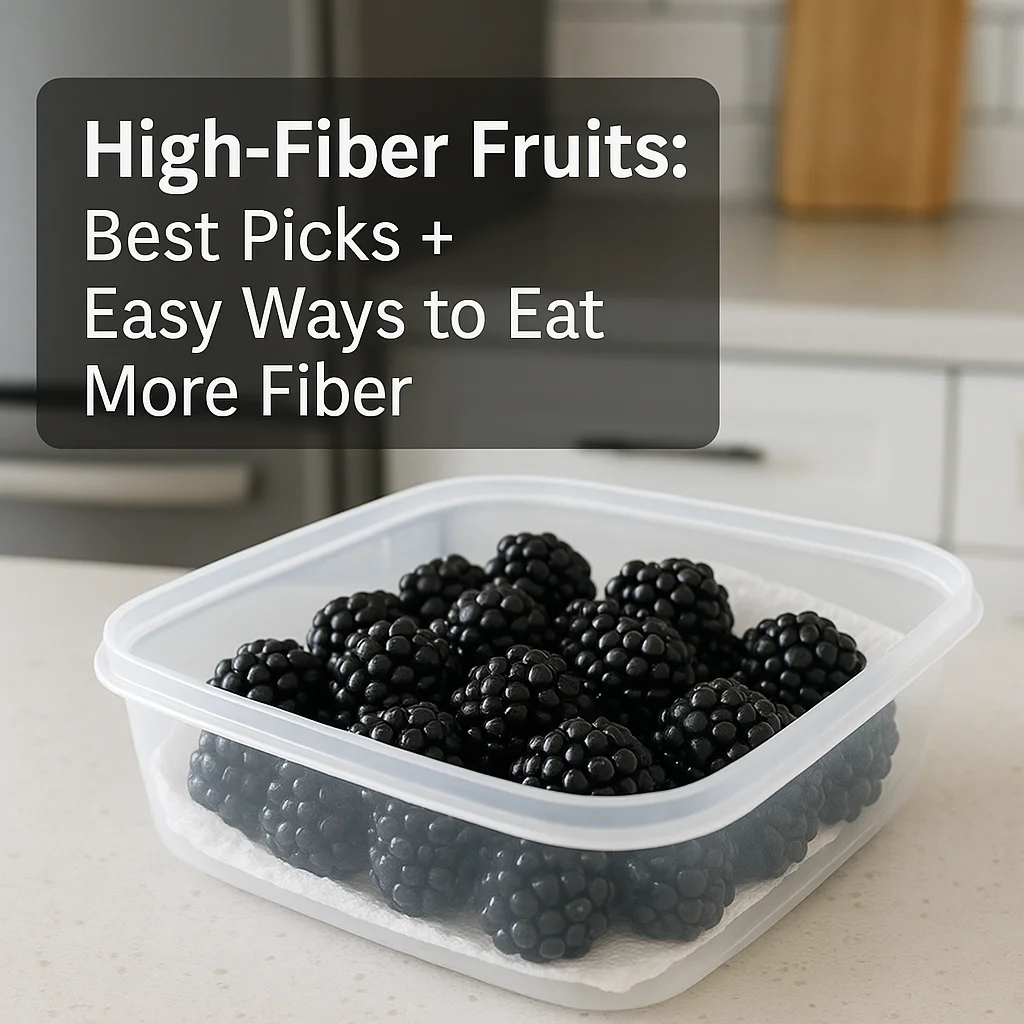
- Use paper towels in fruit containers to absorb excess moisture.
- Monitor fruit ripeness daily to prevent waste.
- Opt for vented storage versus airtight containers.
- Wash fruits just before eating to reduce spoilage risk.
- Separate ripe and unripe fruits to control ripening speed.
- Check firmness and smell—these are early signs of spoilage.
- Avoid stacking fruits to prevent bruising and faster spoilage.
Buying Checklist: Picking Perfect High-Fiber Fruits
When selecting your fiber-packed fruits, here's what to keep in mind to ensure you bring home the best quality:
- Apples: Look for firm and bruise-free skin. Avoid apples with soft spots.
- Pears: Choose pears that are slightly firm to touch; these will ripen gradually at home.
- Berries: Select dry and plump berries. Steer clear of containers with mold or juice stains.
- Figs: Ripe figs should be soft but not mushy. Avoid those with shriveled skin.
- Avocados: Pick avocados that yield to gentle pressure but aren't too soft.
The Real Fix: Step-by-Step Solution
To reduce waste and enjoy high-fiber fruits, we need to manage moisture, control ethylene exposure, and minimize temperature fluctuations.
- Setup: Place a hygrometer in your fridge to ensure a stable 37-40°F.
- Check Freshness: Inspect fruits for ripeness daily. Look for firmness in apples, a gentle pliability in pears, and vibrant colors in berries.
- Store Smart: Place ethylene-sensitive fruits away from ethylene producers like bananas. Use the crisper drawer divided by perforated bags for controlled airflow.
- Paper Towels: Line storage containers with paper towels to wick away moisture.
- Fridge Placement: Keep fruits in a mid-level shelf to avoid cold spots that may frost them.
- Unripe to Ripe Transition: Start with counter ripening. Once ripened, refrigerate to slow further ripening.
- Container Choice: Use vented containers, which prevent moisture trap.
- Handle with Care: Prevent bruises by handling fruits gently and avoiding stacking.
- If fruits show condensation, then air them out and replace the paper towel.
- If fruits seem damp, then check the fridge temperature immediately.
- If you notice an off smell, then look for spoilage immediately.
- If fruits are overripe, then convert them quickly to a puree or freeze them.
- If too dense in storage, then remove excess fruits to enhance air circulation.
- If fridge is too cold, then adjust the thermostat as needed.
- If fruits remain unripe, then add an ethylene-emitter like a banana to speed up ripening.
- If fruit skin is wrinkled, then increase humidity using a damp paper towel.
15–20 Minute Weekly Prep Routine
- Step 1: Sort through fruits. Separate ripe ones to consume first.
- Step 2: Check moisture absorbers (paper towels) and replace if damp.
- Step 3: Refresh storage areas by wiping containers and fridge shelves.
- Step 4: Prep "almost overripe" fruits for smoothies or freezing.
- Step 5: Ensure fruits are appropriately spaced to remain unbruised.
- Step 6: Plan fruit-involved meal ideas for the week.
- Identify any bruised fruits and prioritize eating them first.
- Replace any damp paper towels swiftly.
- Quickly distribute fruits to encourage faster air circulation.
If I only had 2 minutes
Note: If your fridge is weird, like too dry or too humid, adjust surroundings by either adding a dish of water for dry conditions or using sponge/silica gel packs for high humidity.
Common Mistakes to Avoid
- Washing fruits immediately: Triggers molds; wash only right before eating.
- Piling fruits: Bruises them; leads to faster spoilage. Opt for shallow storage.
- Incorrect pairing: Ethylene producers next to sensitive fruits lead to fast ripening; store separately.
- Not monitoring fridge temperature: Neglecting temperature checks; results in frost damage.
- Neglecting to replace paper towels: Moisture causes mold; change regularly.
- Ignoring ethylene effects: Causes premature ripening; keep producers apart from others.
- Using airtight containers: Traps moisture; opt for vented ones.
- Not rotating stock: New fruits squash old; rotate to prevent spoilage.
- Leaving excess air gaps in containers: Allows more oxygen, causing reduced shelf life.
- Forgetting regular checks: Results in unnoticed spoilage; loses good fruits.
Food Safety Notes
Always wash fruits thoroughly just before eating to remove any bacteria or pesticide residues. If you see mold, discard the affected fruit immediately to prevent contamination. When it doubt regarding texture or smell, be conservative and toss the questionable ones.
Quick Table
| Produce | Best Storage | What to Avoid | Typical Problem | Quick Fix |
|---|---|---|---|---|
| Apples | Cripser drawer, no ethylene | High humidity | Wrinkly skin | Store with a damp paper towel |
| Pears | Cool, vented container | Stacking | Over ripening | Check daily & refrigerate promptly |
| Berries | Fridge middle shelf | Unwashed storage | Mold | Rinse just before eating |
| Figs | Fridge with limited moisture | Airtight containers | Moisture accumulation | Vent storage & monitor fridge |
| Avocados | Counter to fridge transition | Prolonged counter storage | Delayed ripening | Pair with bananas |
FAQs
- What are the highest fiber fruits? Apples, pears, berries, figs, and avocados are among the top.
- Why are my fruits spoiling quickly? Could be due to improper storage conditions like moisture and lack of airflow.
- Can I store all fruits in the fridge? Not necessarily; some require ripening at room temperature first.
- How often should I check my stored fruits? Daily checks are ideal to catch ripeness and spoilage early.
- Is it okay to wash all fruits before storage? No, washing beforehand can promote mold development.
- How does ethylene affect fruit storage? It speeds up ripening, so separating producers is key.
- What's the best way to store berries? In a fridge on a middle shelf in vented containers.
- How long do high-fiber fruits last? With proper care, most can last up to two weeks.
- What containers should I use? Go for vented containers to allow moisture escape.
- Can I freeze high-fiber fruits? Yes, especially if they start to overripen, for smoothies or purees.
Closing
- Manage moisture effectively with paper towels and vented storage.
- Control ethylene exposure to prevent premature ripening.
- Regularly check for ripeness and adjust storage locations promptly.
With these methods, you can enjoy your favorite high-fiber fruits longer, reducing waste and savoring their full health benefits. For more about smart fruit handling, see our other guides or explore how nutrition can fit into a balanced lifestyle.
For more guides on produce handling, explore our entire article list.
Discover balanced diet insights in our nutrition posts.