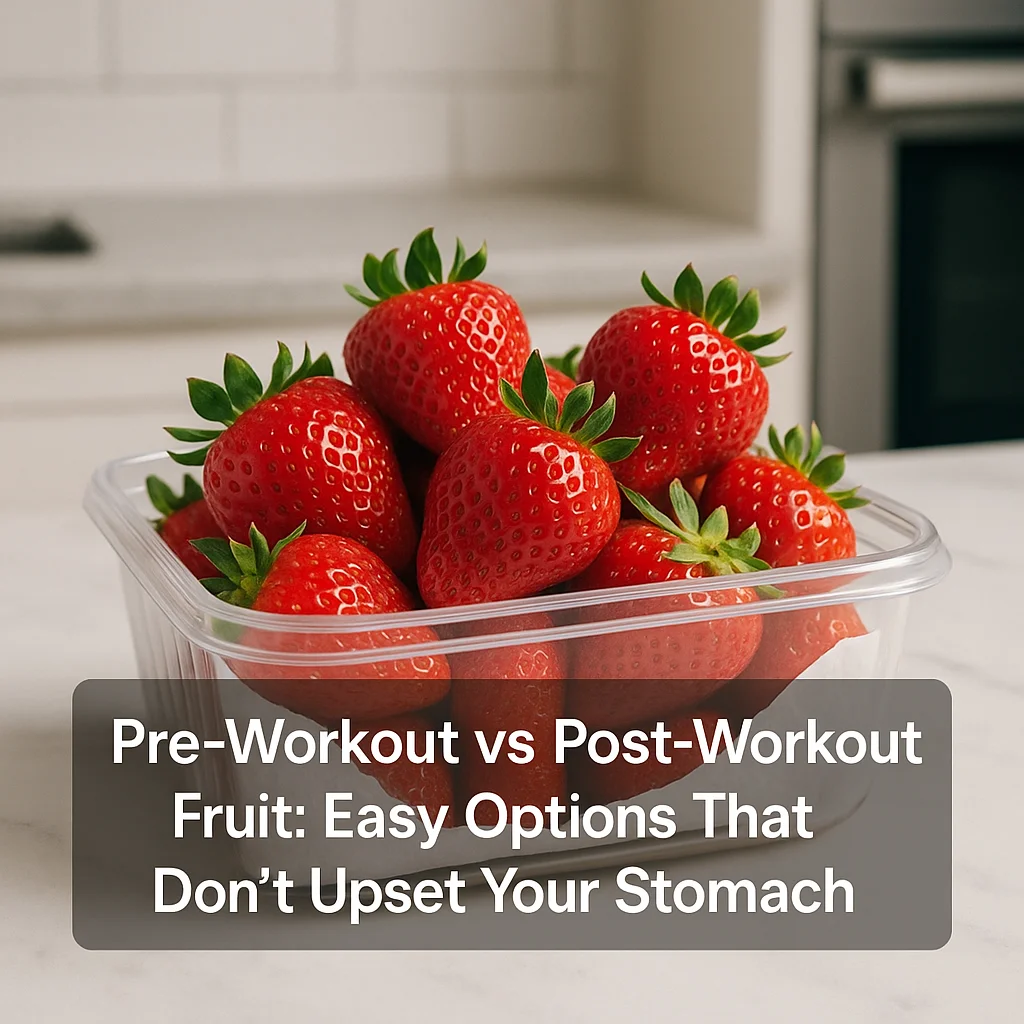
Pre-Workout vs Post-Workout Fruit: Easy Options That Don’t Upset Your Stomach
Why Does Your Pre- or Post-Workout Fruit Disappoint?
Ever reached for a banana before a workout, hoping for an energy boost, only to feel bloated midway through your training? You're not alone. Many fruits can cause discomfort if not selected carefully. The real culprit is often timing and type. Eating fruits high in fiber or fructose too close to exercise can lead to bloating or energy slumps. Let's tackle how to choose and store your fruits better to avoid these issues.
Fast Rules: Fruit for Seamless Workouts
- Choose low-fiber fruits for pre-workout to prevent stomach upset.
- Avoid high-fructose fruits prior to exercise; they may slow down digestion.
- Post-workout, opt for fruits with higher sugar content like bananas for quick energy replenishment.
- Store fruits in a cool, dry place to maintain firmness and flavor.
- Watch out for ethylene-sensitive fruits; keep them separate from high ethylene producers.
- Pre-wash fruits only if you'll eat them shortly after; unwashed lasts longer.
- Pack fruits in breathable containers to minimize moisture retention and mold.
- Select fruits that are ripe for goal timing: before ripening for pre-workout, slightly softer for post-workout.
Buying Checklist: Choose Wisely
To ensure your fruits serve you well, knowing what to look for at the store is crucial.
- Bananas: Select firm, slightly green bananas. Avoid overly soft or brown-spotted ones unless for immediate post-workout use.
- Apples: Look for firm apples without bruises. Skip mealy-textured ones.
- Oranges: Choose oranges that feel heavy for their size. Ignore any with soft spots or dull skins.
- Berries: Opt for plump, vibrant berries. Steer clear of those with mold or moisture in the container.
- Grapes: Seek firm grapes still attached to green stems. Avoid loose or shriveled ones.
The Real Fix: Step-by-Step Solution
The goal is to keep your fruits in peak condition, optimizing for firmness and natural sugars while avoiding sudden texture changes and mold.
- Store bananas in a room temperature area away from other fruits to avoid accelerated ripening due to ethylene gas exposure.
- Refrigerate apples in the crisper drawer to maintain their crisp texture. Use vented bags to minimize moisture buildup.
- Keep oranges in the fridge if you plan to use them in a week, otherwise store at room temperature to encourage easy peeling.
- Rinse berries just before consumption. Store them unwashed in the fridge in a container lined with paper towels to absorb excess moisture.
- Place grapes in the coldest part of the fridge. Keep them in breathable bags to deter excess moisture.
- If you notice condensation inside fruit bags, add a dry paper towel to absorb moisture.
- For pre-workout, prioritize fruits like bananas and oranges freshly purchased or within 3 days of ripening.
- For post-workout, fruits can be slightly overripe for enhanced sugar content and softer texture.
- Should fruits become overripe unexpectedly, use them in smoothies or quick energy bites to prevent waste.
- If mold appears, discard any affected fruits to prevent cross-contamination.
If/Then Troubleshooting:
- If apples feel mealy → More fridge time will firm them up.
- If berries soften → Consume or freeze them for smoothies to prevent waste.
- If bananas ripen too fast → Separate them from other fruits and store in a cooler location.
- If condensation forms in containers → Use paper towels to absorb excess moisture.
- If fruit flavors seem bland → Check for signs of overripeness and consume immediately.
- If you notice any sour or musty smell → Discard affected produce immediately.
- If oranges develop soft spots → Juice them to avoid waste.
- If grapes dry out → Store in a more humid fridge zone.
15–20 Minute Weekly Prep Routine
- Review your fruit inventory every week to catch nearing expiration.
- Rinse berries and store them properly as described above.
- Separate bananas from other produce to control ethylene exposure.
- Juice or cut up any fruits nearing overripe stages for quick post-workout snacks.
- If I only had 2 minutes: Quickly rearrange the fridge to make room for newly purchased, fresher fruit.
- If your fridge is weird: Use humidity drawers wisely; if your fridge is too dry, keep fruits in vented bags with moisture-absorbing pads.
Common Mistakes and How to Fix Them
- Keeping fruits in non-vented bags → Traps moisture → Use vented or breathable bags.
- Storing bananas and apples together → Bananas over-ripen → Separate them.
- Washing berries ahead of time → Promotes mold → Wash only before eating.
- Ignoring condensation in storage → Leads to mold → Use a paper towel to absorb moisture.
- Refrigerating all fruits together → Diverse spoilage rates → Store similar fruits together.
- Leaving fruits near heat sources → Faster spoilage → Keep them in a stable, cool environment.
- Discarding slightly overripe fruits → Unnecessary waste → Use them creatively in recipes.
- Forgetting ethylene effects → Cross-accelerated ripening → Separate ethylene producers from sensitive fruits.
- Buying too much at once → Overripeness and waste → Plan shopping around weekly consumption rates.
- Not labeling fridge zones → Misplacement of fruits → Designate specific zones for different fruit types.
Food Safety Notes
Always wash fruit under running water right before you eat it. If a fruit has mold or an off smell, it's safest to throw it out immediately.
Quick Table for Your Reference
| Produce | Best storage | What to avoid | Typical problem | Quick fix |
|---|---|---|---|---|
| Bananas | Room temp, away from others | Direct sunlight | Overripening | Separate from ethylene-producers |
| Apples | Fridge crisper | Near bananas | Mealy texture | Ventilation and cool temps |
| Oranges | Room temp or fridge | Exposure to moisture | Soft spots | Use as juice |
| Berries | Fridge, unwashed | Moisture buildup | Moldy quickly | Store with paper towels |
| Grapes | Fridge, vented bag | Drying out | Wrinkling | Balance fridge humidity |
Frequently Asked Questions
- What is a good pre-workout fruit? Bananas are great due to their easily digestible sugars.
- What should I avoid before workouts? High-fiber fruits like apples can cause bloating if eaten too close to exercise.
- Why are fruits making me feel sluggish post-workout? You might need to choose higher sugar fruits for quick energy replenishment.
- How can I store bananas longer? Keep them away from other fruits to slow ripening.
- Can I freeze overripe fruits? Yes, they can be excellent for smoothies.
- Why do my berries mold quickly? Likely due to moisture; store unwashed in the fridge with a paper towel.
- Should I refrigerate all fruits? No, it depends on the type; some do best at room temp.
- What’s the best post-workout fruit? Grapes or bananas for their sugar content and easy digestion.
- How can I tell if fruit is overripe? Signs include softness, dark spots, and off odor.
- Is it safe to eat fruits with minor blemishes? Yes, as long as they don’t show mold or smell bad.
Closing Thoughts
- Separate ethylene-producing fruits to control ripening.
- Utilize your fridge's crisper drawer for moisture control.
- Keep fruits at their ideal temperatures to maximize shelf life.
Taking small but deliberate steps in managing your fruit intake can elevate your workout routine and minimize waste. Happy eating and fueling!
Want more guides like this? Visit our full list of articles. For evidence-based nutrition insights, check out our nutrition and health section.