Produce Safety for Kids/Pregnancy: Hygiene and Common-Sense Guidelines
Why Produce Goes Bad at the Worst Times
We've all been there—opening the fridge to find a mushy peach or slimy spinach while trying to prepare a quick meal for your little one or yourself during pregnancy. Frustrating, right? Usually, it's because of improper storage leading to excess moisture, temperature fluctuations, or exposure to ethylene gas, all of which accelerate spoilage.
Quick and Easy Rules to Follow
- Keep fruits and vegetables separate in the fridge.
- Store produce in a breathable bag or partially opened container.
- Use a paper towel to absorb excess moisture.
- Refrigerate produce as soon as possible after purchase.
- Avoid washing produce until ready to eat.
- Check for ripeness regularly and adjust storage as needed.
- Remove damaged produce immediately to prevent spoilage spread.
- Avoid stacking delicate produce to prevent bruising.
- Balance fridge settings for optimal humidity.
Your Go-To Buying Checklist
Choosing the right produce starts at the store. Look for:
- Vibrant colors indicating freshness.
- No surface damage or bruises on fruits and vegetables.
- Firmness appropriate for the type of produce.
- No signs of mold or wilting.
- Smaller quantities to avoid overbuying.
- Seasonal produce for the best quality.
Step-by-Step: Keep Your Produce Fresh and Safe
Your ultimate goal is to keep produce dry but not dehydrated, avoid temperature swings, and control ethylene exposure. Here's how:
- Separate fruits from vegetables: Ethylene from fruits speeds up vegetable spoilage.
- Store leafy greens with a paper towel: Absorbs moisture, preventing early spoilage.
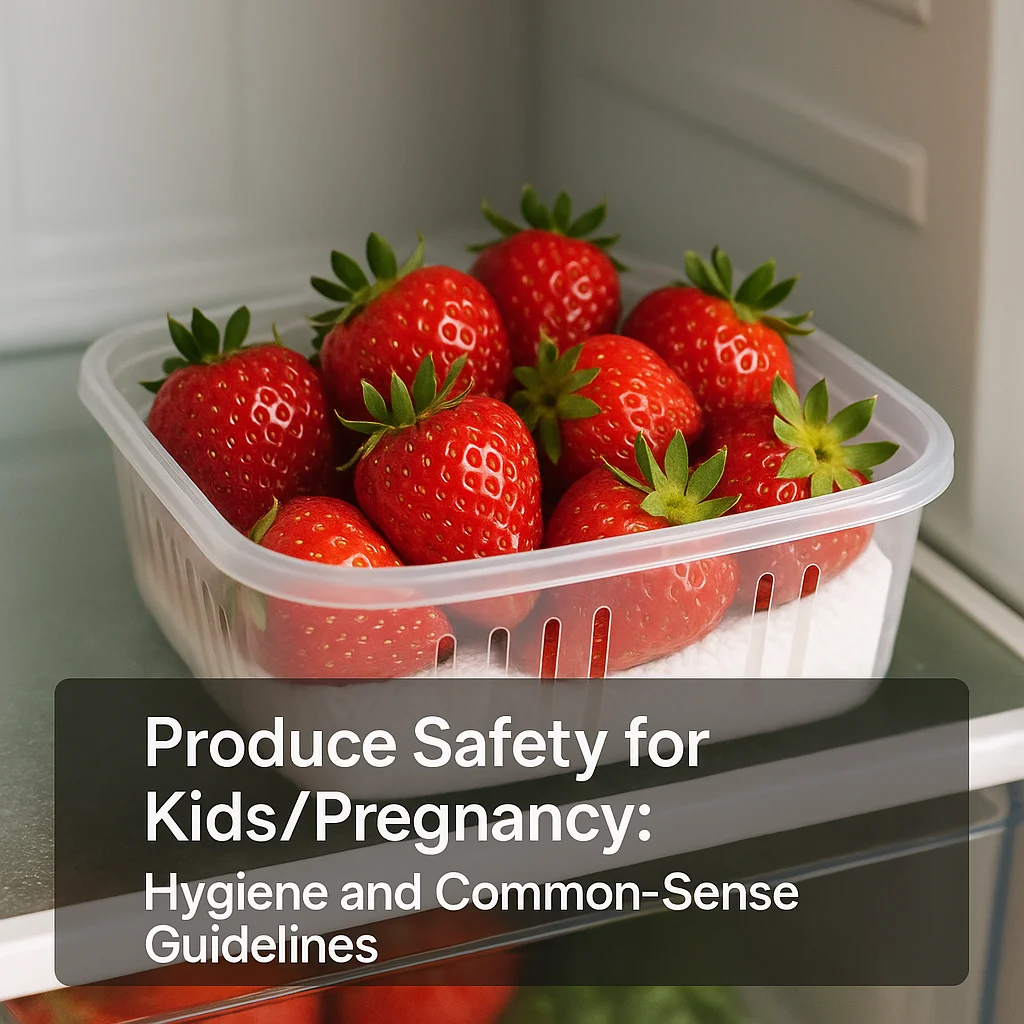
- Keep berries in the fridge: Use a vented container to balance moisture.
- Use the crisper drawer for vegetables: Helps maintain the right humidity level.
- Avoid pre-slicing produce: Exposed surface area leads to faster spoilage and discoloration.
- Check the temperature settings: Maintain consistent cool temperatures to prevent condensation.
- Visual checks daily: Look for signs of mold or soft spots.
- Review ripeness every few days: Adjust where produce is stored based on ripeness stages.
Troubleshooting: If Things Go Wrong
- If you find condensation: Check fridge seals and adjust settings.
- If you see mold: Discard the affected piece immediately.
- If fruit bruises easily: Use a separate bowl at room temperature.
- If greens wilt fast: Increase fridge humidity.
- If fridge has an odor: Clean it and keep an open box of baking soda inside.
- If produce gets slimy: Lower the temperature.
- If bananas brown fast: Hang them or use a banana hook.
- If tomatoes get mealy: Store at room temperature.
Your 15–20 Minute Weekly Prep Routine
- Inspect produce: Remove any spoiled items.
- Organize by type and storage needs: Known where fruits and greens best fit.
- Dry leafy veggies: Wash only what you'll eat soon.
- Line containers with paper towels: Absorb and wick moisture.
If I only had 2 minutes
- Quickly go through and remove bad pieces.
- Ensure fridge temperature is set correctly.
- Place paper towels where moisture is highest.
If your fridge is weird: Freeze along the back wall? Avoid placing produce there. Too dry? Use a small humidifier or adjust vents.
Common Mistakes and How to Fix Them
- Washing produce immediately after buying → excess moisture → wait until right before use.
- Storing tomatoes in the fridge → mealiness → keep them at room temperature.
- Overpacking drawers → blocked air circulation → leave some space for airflow.
- Leaving berries in original packaging → no moisture control → transfer to a vented container.
- Refrigerating bananas → browning → keep at room temperature.
- Exposing carrots to ethylene → bitterness → separate from ethylene-producing fruits.
- Failing to remove damaged produce → spoilage spread → check and remove bad items promptly.
- Peeling cut fruits too soon → browning → use an acid like lemon juice to delay browning.
- Ignoring fridge temperature swings → condensation → stabilize temperature settings.
- Overbuying produce → excess waste → plan meals around what you buy.
Food Safety Notes
- Wash produce just before eating, not before storing.
- Discard produce at the first sign of mold.
- For cut fruits, consume within a couple of days.
- Always clean surfaces that have come into contact with raw produce.
- Rinse under running water to reduce contaminants.
Quick Guide Table
| Produce | Best Storage | What to Avoid | Typical Problem | Quick Fix |
|---|---|---|---|---|
| Berries | Fridge, vented container | Unvented bags | Mold | Line with paper towel |
| Bananas | Room temperature | Fridge | Browning | Keep separated |
| Tomatoes | Room temperature | Fridge | Mealiness | Keep on a counter |
| Leafy Greens | Fridge, with towel | High humidity locations | Wilting | Adjust fridge settings |
Frequently Asked Questions
- How do I know if produce is bad? Look for mold, unusual odors, and sliminess.
- Should I wash berries right away? No, wait until right before eating.
- Why does banana skin turn brown in the fridge? Cold temperatures affect their ripening enzymes.
- How do I keep avocados from browning? Use lemon juice and store with the pit.
- Why do my carrots get bitter? They're exposed to ethylene gas; store separately.
- Is cling wrap good for produce storage? It can trap moisture, so use selectively.
- Can I store apples in the fridge? Yes, but keep them away from vegetables.
- How can I tell if my fridge is too humid? Condensation and quick spoilage are clues.
Closing
- Store produce separately based on ethylene sensitivity.
- Use paper towels to control moisture.
- Regularly check and adjust storage settings.
Follow these simple guidelines to maintain fresher, safer produce for everyone at home, especially the little ones and expecting moms. Visit our complete post list for more tips.
If you find these tips helpful, you may also enjoy our article on nutrition and health evidence-based advice.