June Seasonal Produce Guide: What’s Best + Storage Tips
When Good Produce Goes Bad: The Frustrating Pile of Waste
Have you ever bought a bounty of fresh strawberries only to find them moldy just a few days later? It’s a common problem that often leaves us feeling frustrated and wasteful. The real culprit behind this is improper storage. When fruits and veggies are not stored correctly, moisture builds up, speeding up mold and spoilage.
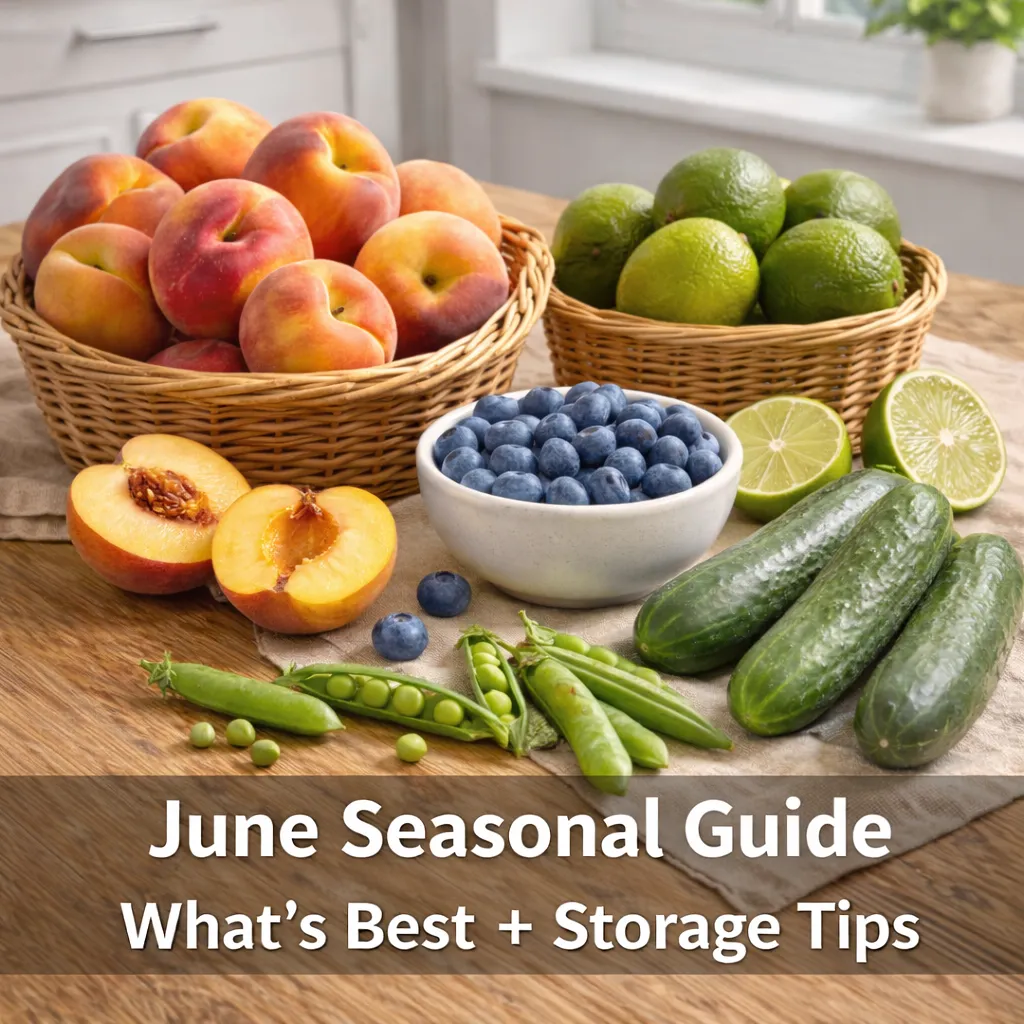
Quick and Actionable Storage Rules
- Store berries unwashed in a single layer on a paper towel-lined container.
- Keep leafy greens in airtight containers with a damp paper towel.
- Separate ethylene-producing fruits from others.
- Refrigerate ripe bananas; room temperature for unripe ones.
- Store root vegetables in a cool, dark place.
- Keep cucumbers in a slightly ventilated drawer.
- Remove produce bags to avoid trapped condensation.
Buying Checklist: How to Choose the Best Produce
When shopping for seasonal produce, being picky can pay off. Here's what to look for:
- Strawberries: Bright red color, fresh aroma, and no mold or mushiness.
- Leafy Greens: Crisp leaves without wilting or yellow spots.
- Tomatoes: Firm, with a vibrant red hue and no bruises.
- Zucchini: Firm, glossy skin, and free of soft spots.
- Peaches: Slight give when gently squeezed, with a fragrant aroma.
Step-by-Step Solution: Keep Your Produce Fresh
To maximize freshness, it’s important to manage moisture and temperature effectively. Follow these steps:
- Inspect on Arrival: Remove any damaged or overripe produce to prevent spoilage spread. Soft spots can lead to wider spoilage due to faster bacterial growth.
- Wash Wisely: Only wash produce right before use. Moisture encourages bacterial growth, speeding up spoilage.
- Use Breathable Containers: For items like berries, use vented containers to maintain airflow and reduce condensation.
- Control Ethylene: Store fruits like apples separately from sensitive produce like leafy greens to slow down ripening.
- Paper Towels Are Your Friend: Line containers with paper towels to absorb excess moisture, keeping produce dry.
- Avoid Temperature Fluctuations: Maintain consistent fridge settings to prevent condensation and texture damage.
- Humidity Drawers: Use the high-humidity drawer for leafy greens and the low-humidity drawer for fruits to control moisture.
- Check Regularly: Examine your produce twice a week. Look for signs of mold, sliminess, or spoiling aromas.
- Plan Consumption Order: Use more perishable produce first. This helps minimize waste and ensures you eat everything fresh.
- Refrigerate Early Rots: Cut off slightly spoiled sections and refrigerate quickly to slow bacteria spread.
If/Then Troubleshooting:
- If strawberries are getting moldy, then move them to a drier spot in the fridge.
- If leafy greens wilt quickly, then they’re too dry; add a damp paper towel.
- If cucumbers are getting mushy, then you need more ventilation; consider a different drawer.
- If onions sprout, then try storing them in a cooler, darker spot.
- If bananas ripen too fast, then store them in a cooler place.
- If peaches get wrinkly, then they’re losing moisture; store them in a slightly humid environment.
15–20 Minute Weekly Prep Routine
- Inventory Check: Before shopping, assess what’s left and needs to be used.
- Clean Containers: Wash containers that housed previous batches to avoid contaminating new produce.
- Trim and Store: Trim stems of leafy greens and store them with a damp paper towel.
- Plan Meals: Use the most perishable items in early-week meals.
- Ripen at Room Temp: Leave harder fruits, such as peaches, to ripen on the countertop.
- Chop in Advance: Pre-cut firm veggies like carrots and store them in sealed containers.
If I Only Had 2 Minutes
- Sniff out anything that smells off.
- Remove any clearly spoiled items.
- Line drawers with fresh paper towels.
Note: If your fridge is weird (too dry/humid/freezing back wall), try using humidity-controlled drawers strategically or shift placement within the fridge.
Common Mistakes and Their Fixes
- Leaving produce in plastic bags → Traps moisture → Remove from bag, use a vented container.
- Storing everything in one spot → Ethylene concentration → Store ethylene-sensitive items separately.
- Washing produce too soon → Speeds spoilage → Only wash before use.
- Ignoring temperature settings → Causes condensation → Consistent fridge settings are essential.
- Forgetting to remove damaged pieces → Rapid spoilage → Regularly check and remove bad produce.
- Storing tomatoes in fridge → Texture loss → Store at room temperature until ripe.
- Not using fridge drawers properly → Incorrect moisture levels → Use drawers: high humidity for greens, low for fruits.
- Not trimming greens → Faster wilting → Trim and remove dead leaves before storing.
- Forgetting paper towels → Extra condensation → Line containers to absorb moisture.
- Not planning weekly meals → Wasted produce → Use perishables first to minimize waste.
Food Safety Notes
Proper washing is crucial for food safety. Always wash produce under running water right before use to remove dirt and bacteria. Do not use soap or detergent as they can leave harmful residues. Toss any produce that shows signs of significant bruising, mold, or slime—which can indicate bacterial contamination.
Quick Reference Table
| Produce | Best storage | What to avoid | Typical problem | Quick fix |
|---|---|---|---|---|
| Strawberries | Fridge, vented container | Plastic bags | Mold | Line with paper towel |
| Leafy Greens | Fridge, airtight with damp towel | Too dry storage | Wilting | Add moisture |
| Cucumbers | Fridge, ventilated | Closed container | Mushy | Increase ventilation |
| Tomatoes | Counter until ripe | Refrigeration when unripe | Texture loss | Ripen before refrigerating |
| Peaches | Counter until ripe | Plastic wrapping | Wrinkling | Store in humidity |
FAQ
- Can I store strawberries with other fruits? No, strawberries produce a lot of moisture that can lead to mold if stored with other fruits.
- Should I refrigerate tomatoes? Only refrigerate ripe tomatoes to extend their shelf life without compromising texture.
- What’s the best way to ripen peaches? Allow them to ripen at room temperature until they have a slight give and a sweet aroma.
- Is it okay to use any kind of paper towel? Yes, any clean paper towel works to absorb extra moisture.
- Can leafy greens be frozen? Yes, if blanched first; otherwise, they may become mushy upon thawing.
- Why do cucumbers become slimy? Moisture buildup without ventilation causes slime—ensure your container is vented.
- How often should I check produce for spoilage? At least twice a week to catch early spoilage signs and prevent spread.
- What causes herbs to become discolored? Air exposure and dehydration cause color loss; store in airtight conditions with some moisture.
- Can I store bananas and apples together? It’s best not to; apples produce ethylene that ripens bananas quickly.
- Why does fruit rot faster after cutting? Cutting increases surface exposure, accelerating enzymatic browning and bacterial growth.
Closing Thoughts: Save More with Mindful Storage
- Consistent fridge settings prevent moisture buildup and texture damage.
- Using proper containers helps regulate moisture and airflow.
- Planning meal order to use perishables reduces waste efficiently.
Smarter produce storage is possible with a little knowledge and planning. Keep it fresh, and enjoy a waste-free kitchen!
Check out all our guides at Post List.
Find more seasonal produce advice at Seasonality Hubs.