September Seasonal Produce Guide: What’s Best + Storage Tips
Conquer Produce Waste: Recognize the Real Problem
We've all faced the disappointment of buying vibrant fruits and vegetables, only to find them spoiling too soon. The culprit often lies in improper storage, causing moisture buildup, ethylene accumulation, and temperature swings—all of which speed up spoilage.
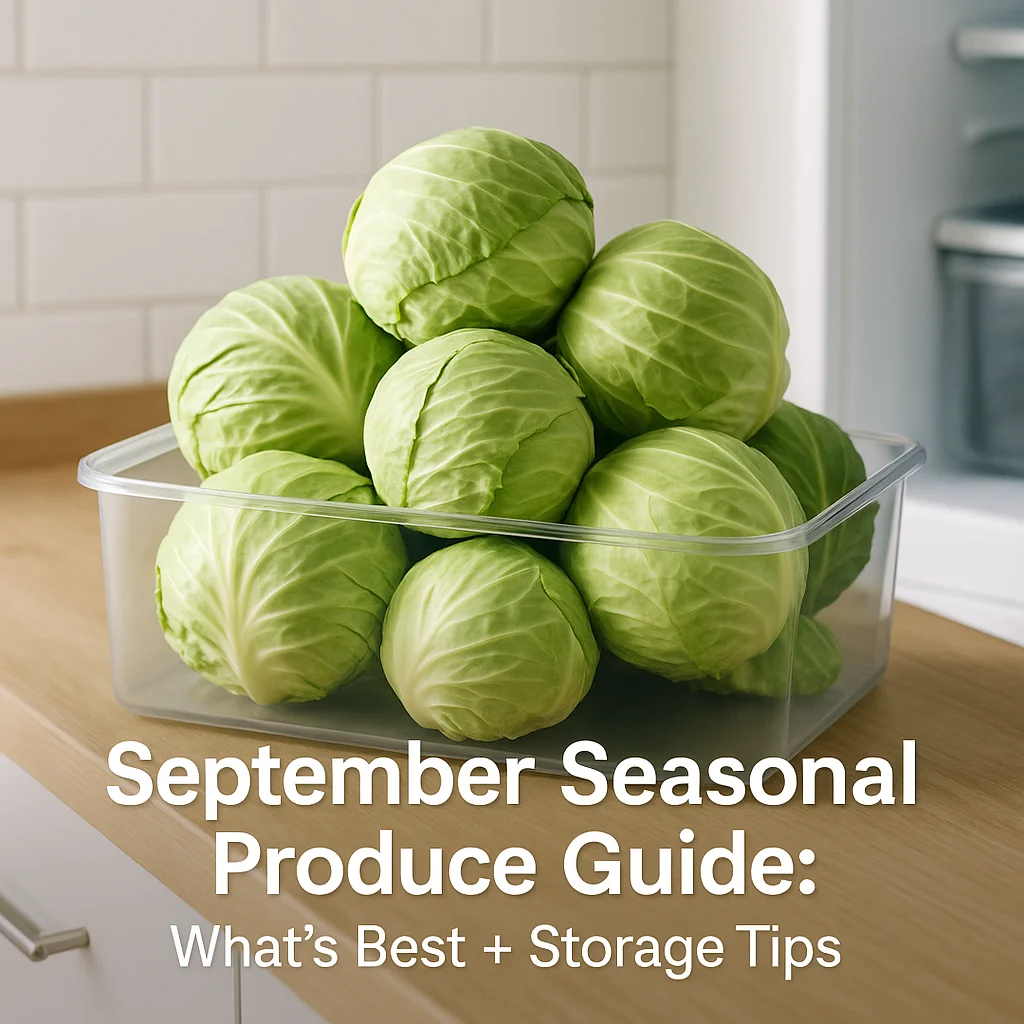
Fast Rules for Keeping Produce Fresh
- Keep produce dry to prevent mold.
- Avoid overpacking to allow air circulation.
- Separate ethylene producers like bananas from sensitive items.
- Store at consistent temperatures.
- Use breathable containers for humidity management.
- Monitor ripeness and adjust storage as needed.
- Avoid chilling tropical fruits—keep them at room temperature.
- Inspect produce regularly for early signs of spoilage.
- Line storage areas with paper towels to absorb moisture.
- Use the crisper drawer wisely for greens and delicate produce.
Buying Checklist: Maximize Freshness from the Start
Selecting the best produce begins at the store. Look for fruits and vegetables that are firm, vibrant in color, and show no signs of bruising or soft spots. Avoid items with stem or leaf damage as these indicate quick spoilage. Opt for locally sourced produce when possible, as it's often fresher.
The Real Fix: Step-by-Step Solution for September Produce
To maintain freshness, keep your produce dry but not dehydrated. Here's a practical step-by-step plan:
- Inspect each item upon arrival at home. Remove and discard any damaged pieces to prevent spread of spoilage.
- Store root vegetables like beets and carrots in a cool, dark place—away from direct light. This prevents sprouting.
- Place berries in a single layer in a breathable container lined with paper towels to reduce moisture buildup.
- Keep tomatoes at room temperature to preserve flavor and texture, avoiding the refrigerator where they can become mealy.
- Put leafy greens in a vented container stored in the crisper drawer with a slightly damp paper towel for humidity control.
- Separate ethylene producers (such as apples) from sensitive veggies (like lettuce) to delay aging.
- Store bell peppers in the fridge's main compartment for longer crispness, rather than in the crisper drawer.
- Allow stone fruits like peaches to ripen at room temperature, then transfer to the fridge to slow the process once ripe.
- If berries start to develop condensation → move them to a drier part of the fridge.
- If greens look wilty → rehydrate briefly in cold water, then dry before storing again.
- If citrus feels soft → store in the fridge to maintain firmness.
- If potatoes begin sprouting → move to a darker, cooler place.
15–20 Minute Weekly Prep Routine
- Check each item for ripeness and damage; sort accordingly.
- Wash what you plan to eat or cook soon, then dry completely.
- Trim stems and leaves to reduce mold risks, especially on root veggies.
- Reorganize fridge drawers for optimal freshness, adjusting for size and type.
- Quickly remove bad spots from any affected produce.
- Rehydrate wilty greens in cold water.
- Switch containers; move sensitive items away from ethylene producers.
- If I only had 2 minutes:
If your fridge is weird: If it's too dry, add a small humidifier or slightly damp towel. If too humid, increase air circulation or use more paper towels. If freezing on back wall, avoid placing produce there.
Common Mistakes with Produce Care
- Washing all produce immediately → encourages mold. Instead, wash just before use.
- Storing bananas in the fridge → causes brown spots. Keep them at room temperature.
- Overcrowding the crisper → leads to moisture build-up. Leave enough space for air flow.
- Ignoring ripeness levels → speeds decay. Adjust storage method as ripeness changes.
- Failing to rotate produce → causes older items to spoil first. Use a FIFO (first-in, first-out) approach.
- Leaving citrus in bags → increases decay rate. Store loose in the fridge.
- Storing onions and potatoes together → prompts sprouting. Separate them.
- Refrigerating bread → makes it stale. Keep it in a cool, dry place.
- Skipping fridge temperature checks → can lead to spoilage. Aim for 37-40°F.
Food Safety Notes: Wash Timing and Tossing
Always wash produce just before consuming to maintain safety and prevent premature spoilage. Discard items with mold, strong off odors, or slimy textures to minimize risk. When in doubt, it’s safest to throw it out.
Quick Reference Table
| Produce | Best Storage | What to Avoid | Typical Problem | Quick Fix |
|---|---|---|---|---|
| Apples | Fridge, away from leafy greens | Room temperature | Browning | Air-tight container |
| Tomatoes | Countertop | Fridge | Lack of flavor | Keep at room temp. |
| Lettuce | Crisper drawer | Near apples | Wilting | Damp paper towel |
| Carrots | Fridge, sealed bag | Out of fridge | Drying out | Crisper drawer |
FAQ
- Can I store avocados in the fridge? Only after they ripen fully at room temperature.
- Why do my cucumbers get slimy? Exposure to ethylene and excessive moisture. Store separately.
- What’s the best way to store herbs? Wrapped in a damp paper towel inside a breathable bag in the fridge.
- Should I wash berries before storing? No, wait until just before eating to prevent mold.
- How do I keep onions fresh longer? Store in a cool, dry, dark place away from potatoes.
- Why do peaches get wrinkly in the fridge? Loss of moisture; keep them at room temperature until ripe, then refrigerate.
- How do I prevent cut apples from browning? A light sprinkle of lemon juice helps by inhibiting oxidation.
- Can I freeze ripe bananas? Yes, peel them first and store in a freezer bag for smoothies or baking.
- How to revive limp celery? Trim and soak in cold water to rehydrate.
- What if my garlic sprouts? Cut off the green sprout and use the rest.
Closing
- Rotate produce to use the oldest first, reducing waste.
- Keep items dry to prevent mold and spoilage.
- Store at consistent, appropriate temperatures.
Remember, a little extra care goes a long way in keeping your produce fresh and reducing waste. Happy and healthy eating!
Looking for more tips? Visit our full list of tips and guides here.
You can also explore other seasonality guides here.